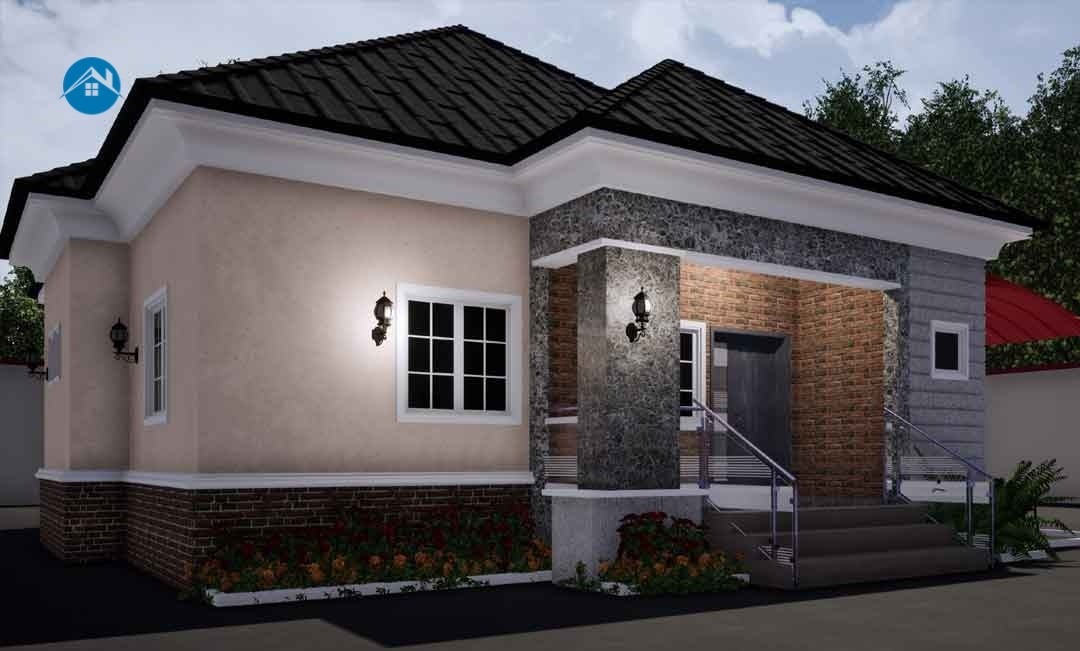
Owning a home in Nigeria no longer requires a massive lump sum or years of mortgage paperwork. The rent-to-own property Nigeria model is changing that reality — and thousands of working Nigerians are already using it to move into homes they are actively paying towards owning. Your monthly rent is no longer dead money. It is an investment in your future.
Furthermore, the Federal Government officially expanded rent-to-own access through the Federal Mortgage Bank of Nigeria in early 2026. Private developers have also stepped in with their own structured schemes. Consequently, both salary earners and self-employed Nigerians now have multiple active entry points into this affordable homeownership pathway.
Moreover, this guide explains exactly how the model works, what every scheme requires, and which developers and government institutions currently offer it. Whether you live in Lagos, Abuja, Port Harcourt, or any other city, a scheme here may work for your income and timeline.
What Is Rent-to-Own? The Simple Explanation
A rent-to-own housing scheme Nigeria is a contractual arrangement between a property provider and a buyer. You move into a home as a tenant — but a portion of every payment you make goes toward eventually owning it.
The key difference from standard renting:
- Each payment builds equity — you are accumulating ownership, not just paying for occupancy
- The purchase price is fixed or agreed in advance — market inflation does not wipe your progress
- At the end of the agreed period, you either exercise your right to buy or walk away
- Some schemes mandate purchase at the end; others make it optional
Additionally, you do not need a full mortgage approval or a large upfront deposit to start. This makes the model particularly valuable for Nigeria’s middle-income earners — an estimated 90% of Nigerians who cannot access formal commercial mortgages.
Why Rent-to-Own Is Growing in Nigeria Right Now
Nigeria’s housing deficit currently stands at over 22 million units, growing by 900,000 annually according to the Federal Mortgage Bank of Nigeria. Only an estimated 10% of Nigerians can afford a traditional commercial bank mortgage. Consequently, conventional homeownership pathways have failed the majority.
Key forces driving rent-to-own adoption in 2026:
- Rising urban rents — in Lagos, housing costs consume up to 70% of household income
- Mortgage inaccessibility — commercial mortgage rates in Nigeria now exceed 25% per annum
- Government backing — the FMBN launched new rent-to-own products with active federal support
- Private developer innovation — companies like Mixta Africa are packaging properties as lease-to-own units
- Fintech integration — digital payment platforms are making monthly contribution tracking easier
Furthermore, the March 2026 federal housing announcement by the Minister of Housing confirmed two new FMBN products — the Rent-to-Own Scheme and the Rental Assistance Product — as priority policy tools. These are fully backed by the federal government.
How the FMBN Rent-to-Own Scheme Works
The FMBN rent-to-own scheme is the most government-secured option in Nigeria. It is operated by the Federal Mortgage Bank of Nigeria and targets contributors to the National Housing Fund (NHF).
Key terms of the FMBN Rent-to-Own product:
- No equity contribution required — you do not need an upfront deposit
- Interest rate: 7–9% per annum on an annuity basis — one of Nigeria’s lowest housing finance rates
- Repayment period: up to 30 years — the longest term available in Nigerian housing finance
- Maximum property value covered: up to ₦50 million under the Estate Development Loan window
- Payment structure: monthly or annual rent payments that build toward full ownership
- Eligibility: must be a registered NHF contributor for a minimum of 6 months
How the FMBN application process works:
- Register with the National Housing Fund through your employer (2.5% of monthly salary is deducted and remitted)
- Contribute for the minimum qualifying period
- Apply through an accredited Primary Mortgage Bank Nigeria — not directly through FMBN
- Select from available FMBN housing stock in your state
- Move in as a tenant; your monthly payments automatically build toward ownership
- After full payment, the property title is transferred to your name
Additionally, the FMBN’s Rental Assistance Product — also active in 2026 — allows NHF contributors to borrow the full year’s rent upfront and repay in monthly instalments. This is not rent-to-own, but it provides immediate cash flow relief for existing renters.
Lagos HOMS: State-Level Rent-to-Own
The Lagos Home Ownership Mortgage Scheme (HOMS) is the most active state-level programme in Nigeria. It offers both rent-to-own and mortgage options for Lagos residents.
Lagos HOMS key features:
- Targets Lagos residents with verifiable, sustainable income
- Provides homes in government-developed estates across the Lagos metropolis
- Monthly payment contributions go toward full ownership over time
- Applicants must demonstrate tax compliance or formal income documentation
- Properties range from entry-level to mid-income residential units
Furthermore, Lagos HOMS specifically serves residents in formal and informal employment — making it accessible to traders, artisans, and small business owners alongside salaried workers.
To apply for Lagos HOMS:
- Confirm eligibility — Lagos residency and verified income required
- Visit the Lagos State Mortgage Board portal or an authorised application centre
- Submit income, tax, and identification documentation
- Select a property from available HOMS estate stock
- Sign the occupancy agreement and begin monthly payments
Mixta Africa — DUO Rent-to-Own Scheme
Mixta Africa DUO is Nigeria’s most established private-sector rent-to-own product. It is specifically targeted at lower-to-middle income earners in Lagos and operates as a lease-purchase arrangement.
DUO scheme details:
- Currently available for Marula Park 2-bedroom apartments in Lagos New Town, off the Lekki-Epe Expressway
- Property promo pricing: ₦31.9 million per 2-bedroom unit
- Annual rent payment equals 5% of the home value per year
- Each annual payment is treated as equity toward full ownership
- After paying rent over the agreed period, you exercise your option to purchase the balance
Additionally, Mixta Africa offers three pathways under their Mixta Flex product line:
- DUO Rent-to-Own — rent serves as equity contribution for up to 3 years
- Ministry of Finance MREIF Mortgage — 12% interest, up to 20-year repayment term
- Mixta Commercial Mortgage — 15% interest rate, up to 20 years repayment
Furthermore, the DUO scheme is currently in its second release with a new block of Marula Park 2-bedroom flats open for registration. Self-employed individuals with stable, documentable income are eligible.
Federal Housing Authority (FHA) Rent-to-Own Estates
The Federal Housing Authority operates completed estates across Nigeria where occupants can transition to ownership through a rent-to-own framework. The FHA manages housing stock in Abuja, Lagos, Port Harcourt, Kano, Enugu, and other state capitals.
FHA rent-to-own features:
- Covers apartments and terrace houses in FHA-developed estates
- Monthly payments structured around the applicant’s income
- Title transfer processed by FHA upon completion of agreed payments
- Allocation is managed by the FHA district offices in each state
Consequently, FHA properties offer the advantage of government-guaranteed tenure security throughout the payment period.
Family Homes Funds Limited (FHFL) — Help-to-Own
The Family Homes Funds Help-to-Own product is an innovative variation on the rent-to-own model. It is designed for low-income Nigerians who cannot afford even a 20–30% deposit.
How the FHFL Help-to-Own model works:
- FHFL contributes up to 40% of the home’s cost as a subsidised loan
- The buyer contributes only 10% as a deposit
- The remaining 50% is funded through a mortgage partner arrangement
- The buyer repays all components over an agreed period
- Upon completion, full title is transferred
Additionally, FHFL specifically targets households earning between ₦30,000 and ₦120,000 per month. This is the income bracket most systematically excluded from Nigerian mortgage products.
Key Differences Between Rent-to-Own Schemes in Nigeria
Understanding how each scheme differs helps you choose the right fit for your income and timeline.
| Provider | Interest Rate | Repayment Period | Min. Entry Requirement | Property Type |
|---|---|---|---|---|
| FMBN Scheme | 7–9% p.a. | Up to 30 years | NHF contribution (6 months) | FMBN housing estates |
| Lagos HOMS | Varies by scheme | Structured | Lagos residency + income proof | Lagos state estates |
| Mixta Africa DUO | No stated interest (equity model) | Up to 3 years equity phase | Documentable income | Marula Park Lagos |
| FHA Estates | Structured monthly | Varies by estate | FHA allocation eligibility | FHA estates nationwide |
| FHFL Help-to-Own | Subsidised | Structured | ₦30,000–₦120,000/month income | FHFL partner properties |
What Documents You Need to Apply
Regardless of which scheme you choose, document preparation determines how fast your application moves.
Standard documents required for most rent-to-own applications in Nigeria:
- Valid national ID, voter’s card, or international passport
- National Identity Number (NIN) — mandatory for all formal applications
- Proof of income — payslips (last 3–6 months), business bank statements, or tax assessment
- Evidence of NHF registration and contribution (for FMBN route)
- Proof of Lagos residency (for HOMS applicants) — utility bill or tenancy agreement
- Completed scheme application form
- Two recent passport photographs
- Offer letter or allocation acknowledgement from the developer
Furthermore, self-employed applicants must provide audited financial statements or 12 months of business bank statements showing consistent income. The more clearly your income is documented, the faster your application processes.
Risks to Know Before You Sign
The rent-to-own contract Nigeria framework is not yet fully standardised by law. This creates risks that informed buyers must address before signing any agreement.
Protect yourself by checking these points in every agreement:
- Ownership transfer clause — confirm the exact conditions under which the title transfers to you
- Default provisions — understand exactly what happens if you miss a payment
- Price lock guarantee — confirm whether the final purchase price is fixed or subject to market adjustment
- Refund policy — understand what portion of your payments is refundable if you withdraw
- Developer insolvency clause — know what protects your payments if the developer closes or defaults
- Independent legal review — always have a licensed property lawyer review your agreement before signing
Additionally, insist on receiving an Offer Letter, an Allocation Letter, and a clearly dated Payment Schedule as separate physical documents before any payment is made.
Official Links (Copy and Search in Your Browser)
- FMBN Rent-to-Own scheme official page:
fmbn.gov.ng/Products%20&%20Services/products.php - NHF contributor registration portal:
nhf.netapps.com.ng - Lagos HOMS application:
lagosmortageboard.com - Mixta Africa DUO rent-to-own scheme:
duo.mixtafrica.com - Family Homes Funds Help-to-Own:
familyhomesfunds.com - Federal Housing Authority estates:
fha.gov.ng - Nigeria Housing Market news and scheme listings:
nigeriahousingmarket.com - Corporate Affairs Commission (developer verification):
cac.gov.ng
Final Thoughts
The rent-to-own property Nigeria landscape has transformed significantly. From the government-backed FMBN rent-to-own scheme at 7–9% interest over 30 years, to Mixta Africa’s DUO equity model and FHFL’s Help-to-Own product, Nigerians at multiple income levels now have structured, legal pathways to homeownership that do not require large upfront deposits or commercial mortgage access.
Furthermore, with the federal government’s confirmed expansion of rent-to-own as a housing policy priority in 2026, more developers and state governments are expected to launch structured products this year. Consequently, the best time to register, begin NHF contributions, or contact a developer is now. Every month you delay is a payment that builds someone else’s equity instead of yours.
 Donald Karo