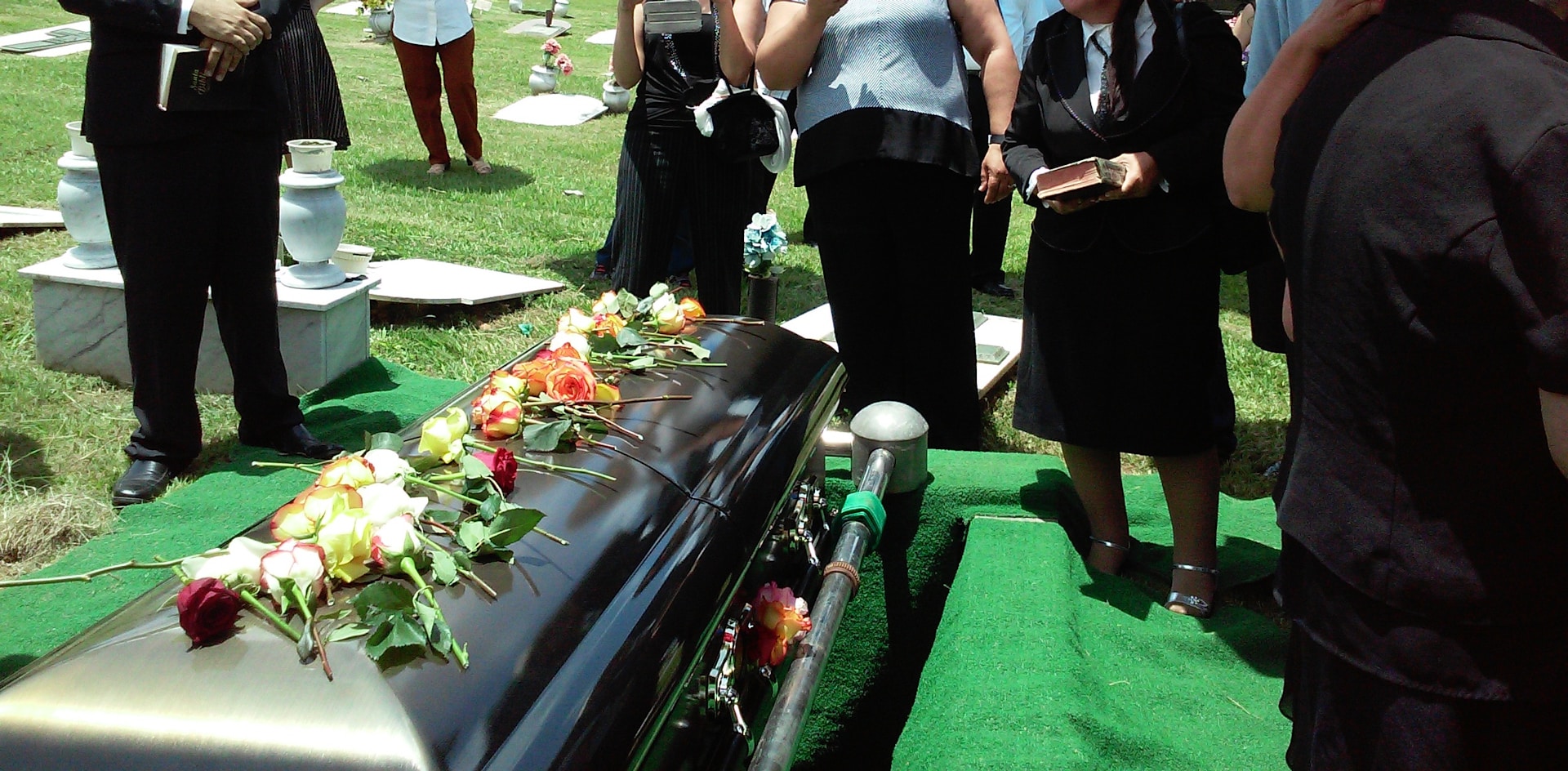
Most Nigerians spend decades building property — and then leave its fate entirely to chance. According to a Nigerian Bar Association survey, 70% of Nigerians die without a valid will. Without one, your property does not automatically go to the people you love most. It goes where the law decides — and that outcome may surprise you.
Furthermore, understanding Nigerian intestate succession law now puts you in a position to act. You can write a will, create a trust, or update your documentation to protect your family. This guide explains — in plain language — exactly what happens to Nigerian property when someone dies without a will, and how different laws apply depending on how you were married.
Moreover, this is not just for the elderly. Anyone who owns land, a building, a flat, or a commercial property in Nigeria needs this information today. The decisions you make now will determine whether your family inherits your legacy — or whether the courts, distant relatives, or the state take it instead.
What Is Intestate Succession in Nigeria?
Intestate succession Nigeria refers to the legal process of distributing a deceased person’s estate when no valid will exists. Nigeria does not have one unified inheritance law. Instead, three separate legal systems govern intestacy simultaneously.
The three legal systems that determine Nigerian inheritance:
- Statutory Law — applies to people married under the Marriage Act at a registry or licensed church; governed by each state’s Administration of Estates Law
- Customary Law — applies to people married under native law and custom (e.g., traditional Yoruba, Igbo, or Hausa marriage without a registry); rules vary widely by ethnic group and community
- Islamic Law (Sharia) — applies to Muslims in northern Nigerian states that adopted Sharia; governed by Quranic principles and specific inheritance fractions
Additionally, which legal system governs your estate depends on your type of marriage — not your religion alone, not your ethnicity alone, and not your state of residence alone.
System 1: What Statutory Law Says
Statutory law is the most protective framework for widows, widowers, and children in Nigeria. It applies when the deceased was married under the Marriage Act (Cap M6, Laws of the Federation of Nigeria).
Under Lagos State’s Administration of Estates Law — the most referenced state framework — distribution goes as follows:
- Surviving spouse: receives one-third (⅓) of the entire estate
- Children: share the remaining two-thirds (⅔) equally, regardless of gender
- No children exist: parents or full siblings inherit the entire estate
- No children, no parents, no siblings: extended relatives inherit in order of closeness
- No relatives at all: the property escheats to the state (becomes government property)
Important clarifications under statutory law:
- All children — sons and daughters equally — share their two-thirds portion
- Stepchildren are excluded unless they were legally adopted by the deceased
- Children born outside marriage may inherit if legally recognised
- A spouse from a customary or church-only marriage (without registry) does not automatically benefit from statutory law protections
Consequently, if you were married in court and die without a will, your spouse and children are legally protected. However, if your marriage was only traditional, the statutory protections do not automatically apply.
System 2: What Customary Law Says — And Why It Is Riskier
Customary law intestate succession applies when the deceased was married only under traditional or customary practices — without attending any registry or recognised civil ceremony. The rules vary dramatically by ethnic group and community.
Common customary law patterns across major Nigerian groups:
Yoruba Customary Inheritance
- The deceased’s property is distributed among family members based on the Idi-Igi system (per lineage) or the Ori-Ojori system (per person)
- Under Idi-Igi, each wife’s children group forms a unit — and the estate is divided equally between units, not individuals
- Widows traditionally do not inherit property — they can only use it while alive
- Property ultimately reverts to the broader family lineage, not the nuclear household
Igbo Customary Inheritance
- Primogeniture rules typically apply — the eldest son inherits family land and property
- Widows and daughters are frequently excluded from inheriting land under customary practice
- A widow may retain use of the matrimonial home but may not legally own it
Hausa-Fulani Customary Inheritance
- Heavily influenced by Islamic principles even outside formal Sharia court jurisdiction
- Male heirs generally receive double the share of female heirs
- Widows receive a fixed portion; daughters receive smaller shares than sons
Furthermore, these customary practices are not uniformly codified. Two families in the same village may follow different inheritance conventions. This is precisely why customary law property disputes Nigeria generate such a significant volume of court cases.
System 3: What Islamic Law Says
Islamic inheritance law Nigeria — also called Mirath or Faraid — applies formally in the twelve northern Nigerian states that adopted Sharia. It is also voluntarily followed by Muslim families across other states.
Key principles of Islamic inheritance:
- A widow receives one-eighth (⅛) of the estate if children exist; one-quarter (¼) if no children exist
- A widower receives one-quarter (¼) if children exist; one-half (½) if no children exist
- A daughter receives half the share of a son
- Parents, siblings, and extended relatives receive fixed fractions defined in the Quran
Additionally, Islamic law does not allow more than one-third of an estate to be given as gifts or endowments — the remaining two-thirds must be distributed strictly according to Quranic inheritance rules.
The Problem with Dying Intestate in Nigeria: Real-World Consequences
Understanding the law is one thing. Understanding what it actually produces in Nigerian families is another. Family inheritance disputes account for nearly 30% of civil cases in Nigerian courts — making intestacy one of the most litigious areas of Nigerian private law.
What commonly happens when a Nigerian dies without a will:
- Family members disagree about which legal system applies — statutory, customary, or Sharia
- Extended relatives make claims that directly compete with the widow’s and children’s rights
- The deceased’s property is frozen while the courts determine the applicable law and distribute the estate
- Widows are evicted from matrimonial homes under customary law claims, particularly in Igbo and some Yoruba communities
- Family land is seized by the deceased’s brothers or extended family before any legal process begins
- Title documents are hidden or destroyed by parties who want to control distribution outside the legal process
- Court proceedings drag on for years — sometimes decades — leaving the property in legal limbo
Furthermore, properties without clear registered title are particularly vulnerable. A verbal land claim by a family member carries more social weight in many communities than the legal truth — especially when the legitimate owners are women or young children without strong family backing.
Letters of Administration: The Legal Process Without a Will
When someone dies intestate in Nigeria, the estate must be formally administered by a court-appointed administrator. This is done through a process called obtaining Letters of Administration Nigeria.
What Letters of Administration do:
- Authorise a named person — usually the surviving spouse or eldest child — to legally manage and distribute the estate
- Allow banks to release the deceased’s funds to the administrator
- Permit property title changes to be processed at the Lands Registry
- Give the administrator legal standing to recover debts owed to the estate
How to apply for Letters of Administration in Nigeria:
- File an application at the Probate Registry of the High Court in the state where the deceased lived or where the property is located
- Submit required documents — death certificate, list of assets, next-of-kin details, proof of relationship
- Swear an oath of administration before the court
- Pay the applicable filing fee — varies by state; typically between ₦20,000 and ₦150,000
- Await court processing — typically takes 3–6 months in Lagos; longer in some other states
Additionally, in Lagos, the Probate Registry is located at the High Court of Lagos State. Abuja’s equivalent is the FCT High Court Probate Registry. Processing times vary significantly — engaging a qualified estate lawyer accelerates the process considerably.
Why You Must Write a Will in Nigeria
A valid Nigerian will resolves every complication described in this guide. It takes one appointment with a licensed lawyer, costs between ₦50,000 and ₦300,000 depending on complexity, and gives your family legal clarity that no amount of family agreement can replace.
What a valid Nigerian will must contain under the Wills Act:
- The testator must be at least 18 years old (21 in some states) and of sound mind
- The will must be in writing — handwritten or typed
- It must be signed by the testator at the end of the document
- It must be witnessed by two independent adults — neither of whom is a beneficiary
- The witnesses must sign in the presence of the testator and each other
Additionally, a will must be stored securely. Give one copy to your lawyer, one to a trusted family member, and consider lodging a copy with the Probate Registry of your state for official recording.
Diaspora Property Owners: Your Will Must Cover Nigerian Assets
If you live abroad and own property in Nigeria, your foreign will does not automatically cover your Nigerian assets.
What diaspora Nigerians must do:
- Write a separate Nigerian will covering only your Nigerian assets — this avoids conflicts between foreign probate law and Nigerian inheritance law
- Appoint a trusted resident Nigerian as your executor — someone who can physically handle property administration
- Ensure your Nigerian property documents are registered, current, and accessible to your family
- Consider setting up a family trust in Nigeria — a trust can bypass the probate process entirely upon your death
Furthermore, properties owned through a Nigerian company are governed by corporate succession law — not personal inheritance law. Speak to both a Nigerian property lawyer and a tax advisor about the most efficient structure for cross-border estate planning.
Official Links (Copy and Search in Your Browser)
- Lagos State Probate Registry (Letters of Administration):
hcl.lagoscourts.gov.ng - Abuja FCT High Court Probate Registry: search
FCT High Court Probate Registry Abuja - Nigerian Bar Association (find a licensed estate lawyer):
nigerianbar.org - Lagos State Administration of Estates Law reference: search
Lagos Administration of Estates Law 2015 PDF - Nigerian Wills Act reference: search
Wills Act Nigeria Cap W12 Laws of the Federation - Probate and estate planning lawyers directory:
lawpavilion.com - Nigeria Land Use Act — how it affects inheritance: search
Land Use Act Nigeria Cap L5 PDF
Final Thoughts
Nigerian intestate succession is complicated, contentious, and costly for the families left behind. The three legal systems — statutory, customary, and Islamic — do not always agree, and the gaps between them become courtroom battles that destroy relationships and drain estates. Over 70% of Nigerians currently face this risk by dying without a valid will.
Furthermore, writing a will is not a morbid act — it is a profound act of love and responsibility. Consequently, the single most important thing any Nigerian property owner can do in 2026 is visit a licensed estate planning lawyer and have one prepared. Your family’s security, your property’s future, and your legacy all depend on that decision.

 Donald Karo