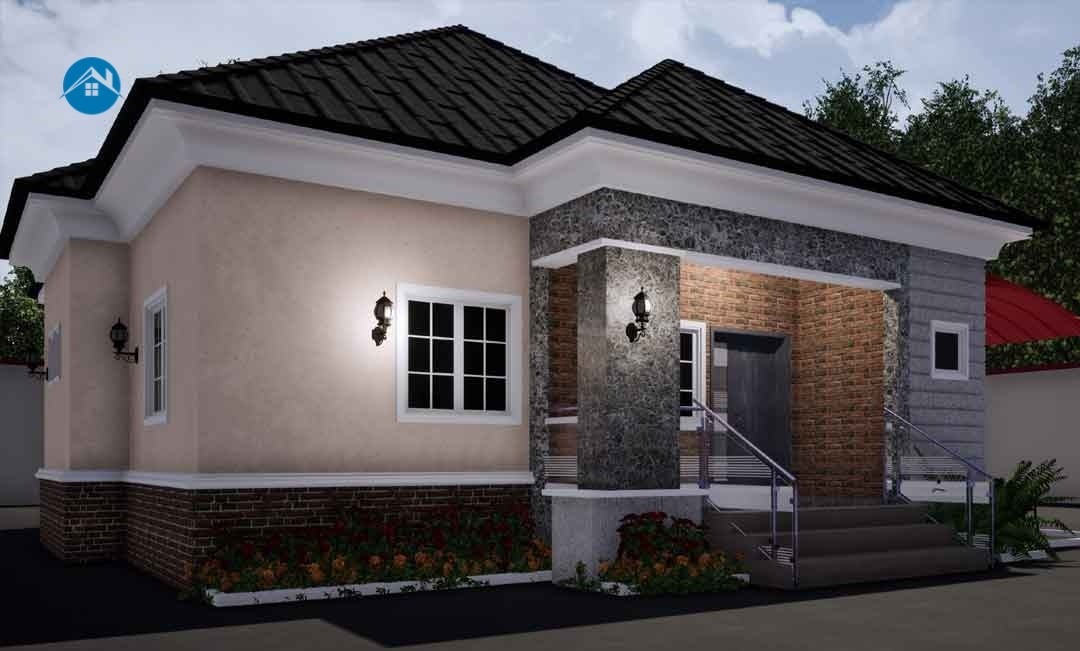
Embarking on the journey of building a house in Nigeria is both exciting and demanding. To ensure a successful project, it’s essential to understand each phase of the construction process. You can also partner with one or more building and construction companies Nigeria for a successful project.
Below is a comprehensive guide detailing the ten fundamental stages involved in constructing a home in Nigeria.
1. Land Acquisition
The first step is securing a suitable plot of land. Consider factors such as proximity to essential amenities like schools, hospitals, and markets. It’s crucial to verify the land’s legal status with the appropriate authorities to avoid future disputes. Engaging reputable building and construction companies in Nigeria can provide valuable assistance during this phase.
2. Architectural Design and Planning
Once the land is acquired, collaborate with a licensed architect to design your house plan. Ensure the design aligns with local building regulations and suits your lifestyle needs. Detailed plans, including floor layouts and elevations, are essential for obtaining necessary approvals. Consulting with experienced building construction companies in Nigeria can offer insights into efficient and compliant designs.
3. Budgeting and Financing
Develop a comprehensive budget covering all aspects of the construction, from materials and labor to permits and contingencies. Explore various financing options, such as personal savings, bank loans, or mortgages. Some construction companies in Lagos offer financial advisory services to help manage your budget effectively.
4. Site Preparation
Prepare the site by clearing any vegetation, debris, or existing structures. This involves leveling the ground and marking the building’s layout. Proper site preparation ensures a solid foundation and facilitates a smoother construction process.
5. Foundation Construction
The foundation is critical to the structural integrity of your house. Depending on the soil type and building design, choose an appropriate foundation type, such as strip, raft, or pile foundation. Engaging a reputable construction firm in Nigeria ensures that the foundation is constructed to standard, providing long-term stability.
6. Structural Framework
With the foundation in place, proceed to construct the structural framework, including walls, columns, and beams. Use high-quality materials and skilled labor to ensure durability. Building construction companies in Lagos Nigeria can provide the necessary expertise and resources for this stage.
7. Roofing Installation
The next step is installing the roof structure. Select roofing materials that are durable and suitable for Nigeria’s climate, such as metal sheets or tiles. Proper roofing protects the interior from weather elements and contributes to the building’s aesthetics.
8. Utility Installations
Install essential utilities, including electrical wiring, plumbing systems, and HVAC (Heating, Ventilation, and Air Conditioning) if required. Ensure all installations comply with safety standards and are executed by certified professionals to prevent future hazards.
9. Interior and Exterior Finishing
This stage involves plastering walls, installing flooring, painting, and fitting fixtures like doors and windows. Exterior finishing may include painting and landscaping. Attention to detail during this phase enhances the overall appeal and functionality of the house.
10. Final Inspection and Moving In
Before moving in, conduct a thorough inspection to ensure all work meets the required standards. Address any defects or incomplete work promptly. Once satisfied, obtain an occupancy permit from local authorities, confirming that the house is fit for habitation.
Building a house in Nigeria requires meticulous planning and execution. Partnering with experienced building construction companies in Lagos can streamline the process.
 Donald Karo